Phone:
(+966 55)839-0346
Physical address:
Jeddah, Saudi Arabia.
Phone:
(+966 55)839-0346
Physical address:
Jeddah, Saudi Arabia.

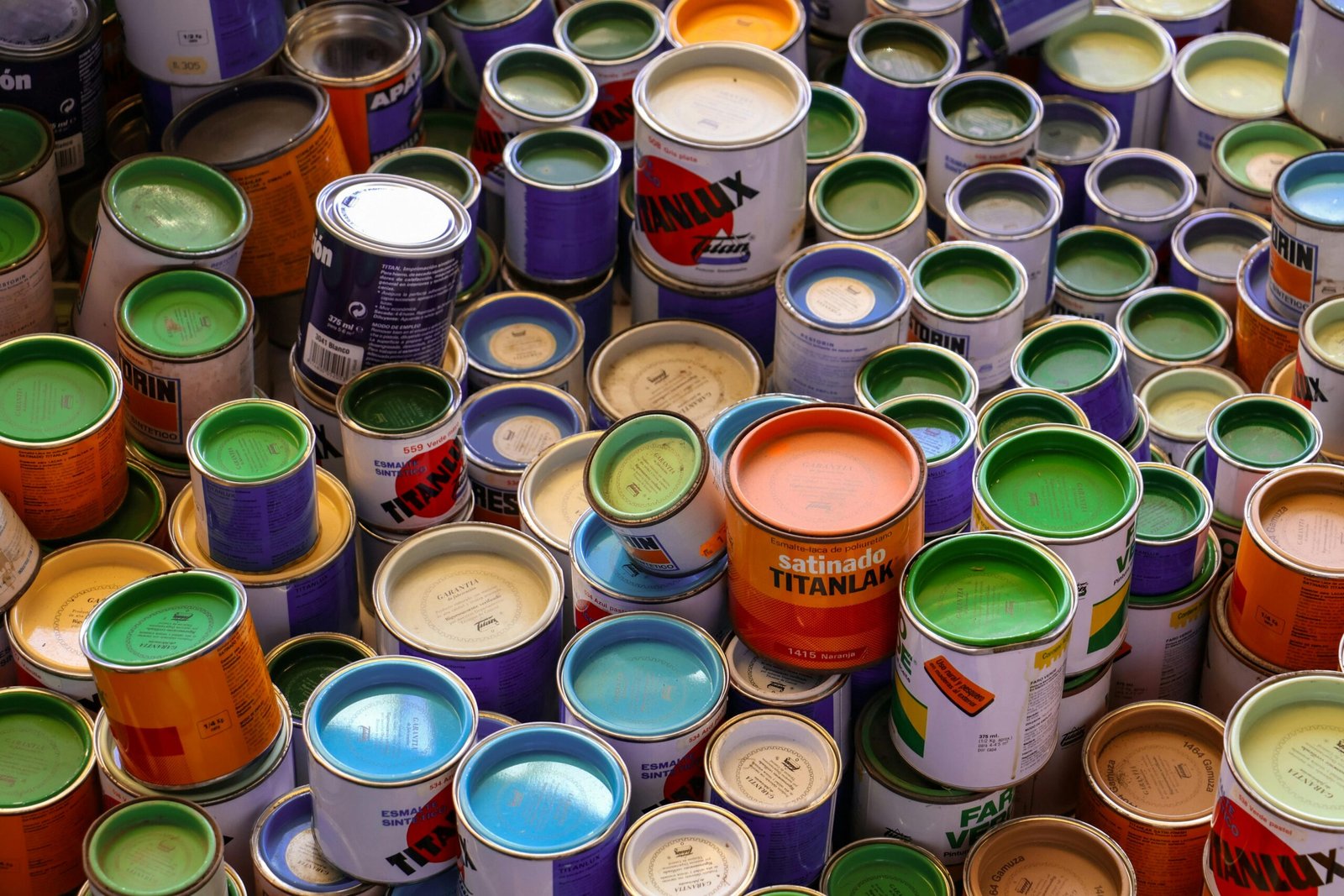
The paint manufacturing industry is highly competitive and technically sensitive. Problems in paint manufacturing often arise from small formulation mistakes, raw material inconsistencies, or poor production control, which can lead to serious product failures and financial losses.
Many paint factories struggle not because of low demand — but because of recurring quality issues, unstable batches, and customer complaints.
Understanding common problems in paint manufacturing and knowing how to fix them is essential for long-term profitability and brand reputation.
In this article, we will explore the most common paint production issues and their practical solutions. Identifying the root causes of problems in paint manufacturing is essential to ensure consistent product quality and long-term business success.
One of the most common problems in paint manufacturing is viscosity variation.
Symptoms include:
Consistency in viscosity ensures smooth application and professional finish.
Low coverage leads to customer complaints because more coats are required.
Coverage is directly linked to formulation balance and raw material quality.
Shade mismatch between batches can damage a paint brand quickly.
A proper shade control SOP reduces rejection and returns.
Settling occurs when heavy pigments or fillers sink at the bottom.
If severe, it forms a hard cake that cannot be remixed.
Proper formulation engineering is essential to prevent sedimentation issues.
Foaming reduces paint quality and affects appearance.
Foam management is a critical part of professional paint formulation.
Adhesion failure is one of the most damaging complaints in the paint industry.
A strong binder system ensures durability and long-term performance.
Cracking often appears after drying or weather exposure.
Durability testing should be part of every QC system.
Paint manufacturing is heavily dependent on imported raw materials like titanium dioxide and specialty additives.
Cost engineering is as important as formulation engineering.
Many factories face serious problems in paint manufacturing due to improper formulation, poor raw material selection, and lack of technical expertise. It is because many factories operate without proper lab testing procedures.
Common issues:
Without quality control, even a good formulation can fail.
This is the root cause of most paint manufacturing failures. Most problems in paint manufacturing occur during mixing, dispersion, or quality control stages where precise technical control is required.
Factories often:
This leads to:
Paint manufacturing is not just mixing chemicals. It requires:
Many manufacturers attempt to handle everything internally — and later face expensive consequences.
This is where professional consultancy plays a vital role. With professional technical guidance, manufacturers can prevent common problems in paint manufacturing and significantly improve product performance and customer satisfaction.
Ibrar Paint Consultant provides specialized technical consultancy for:
With experience serving manufacturers across Pakistan and internationally, Ibrar Paint Consultant focuses on practical, result-driven solutions that improve product stability and profitability.
Whether you are starting a new paint factory or struggling with recurring production issues, professional technical support can save significant time and money.
For consultation and expert guidance, contact:
Ibrar Paint Consultant
📞 (+966 55)839-0346
🌍 Global Technical Consultancy
📍 Jeddah, Saudi Arabia
The paint industry offers strong profit potential — but only when quality and consistency are maintained.
Most common problems in paint manufacturing are preventable with:
If you are facing ongoing batch issues, product complaints, or unstable performance, addressing the root cause early can protect your brand and long-term business growth.
Professional consultancy is not an expense — it is a strategic investment in your factory’s future.